Many businesses struggle with marketing not because their product or service is weak, but because they are targeting the wrong audience, or targeting everyone at once. Two concepts that often get confused are market segmentation and target market. While closely related, they serve different purposes in marketing strategy.
Understanding the difference between target market and market segmentation helps businesses focus their efforts, reduce wasted budgets, and achieve better results from digital marketing campaigns.
This guide explains the meaning, differences, examples, and practical use of both concepts in a simple and business-friendly way.
What Is Market Segmentation?
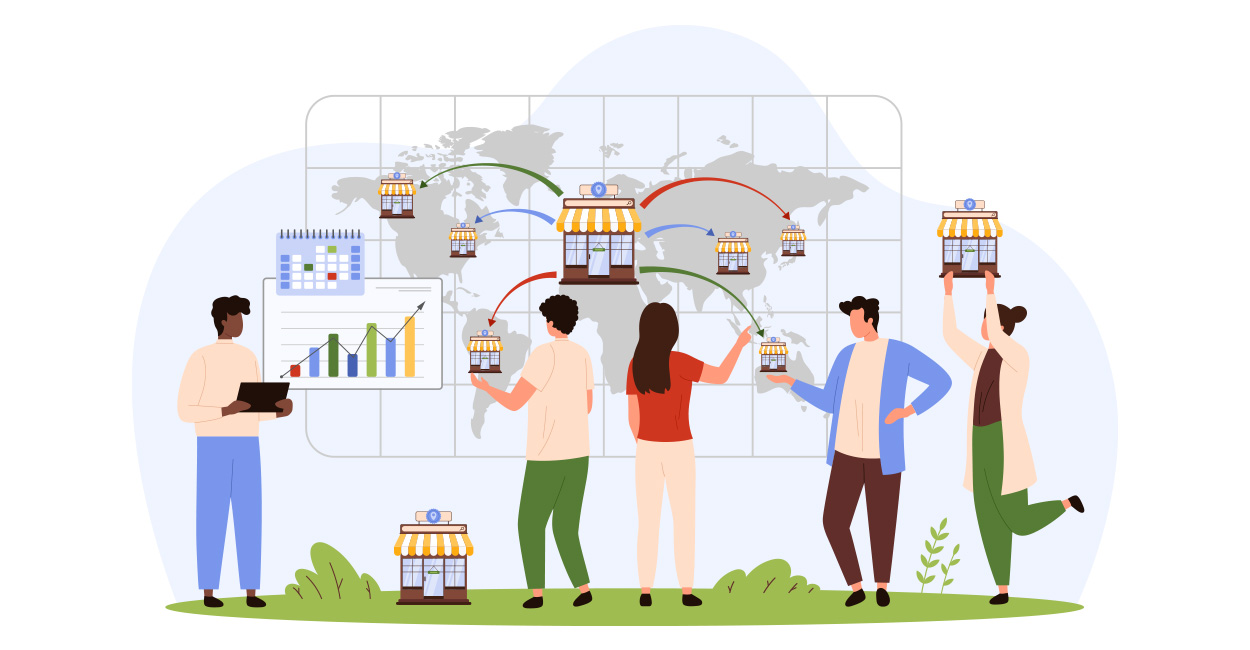
Market segmentation is the process of dividing a broad market into smaller groups of customers who share similar characteristics, needs, or behaviors. These groups are called market segments.
Segmentation allows businesses to understand customer diversity and create more relevant marketing strategies instead of using a one-size-fits-all approach.
Common segmentation factors include:
- Age, gender, income
- Location
- Lifestyle and interests
- Buying behavior and preferences
What Is a Target Market?
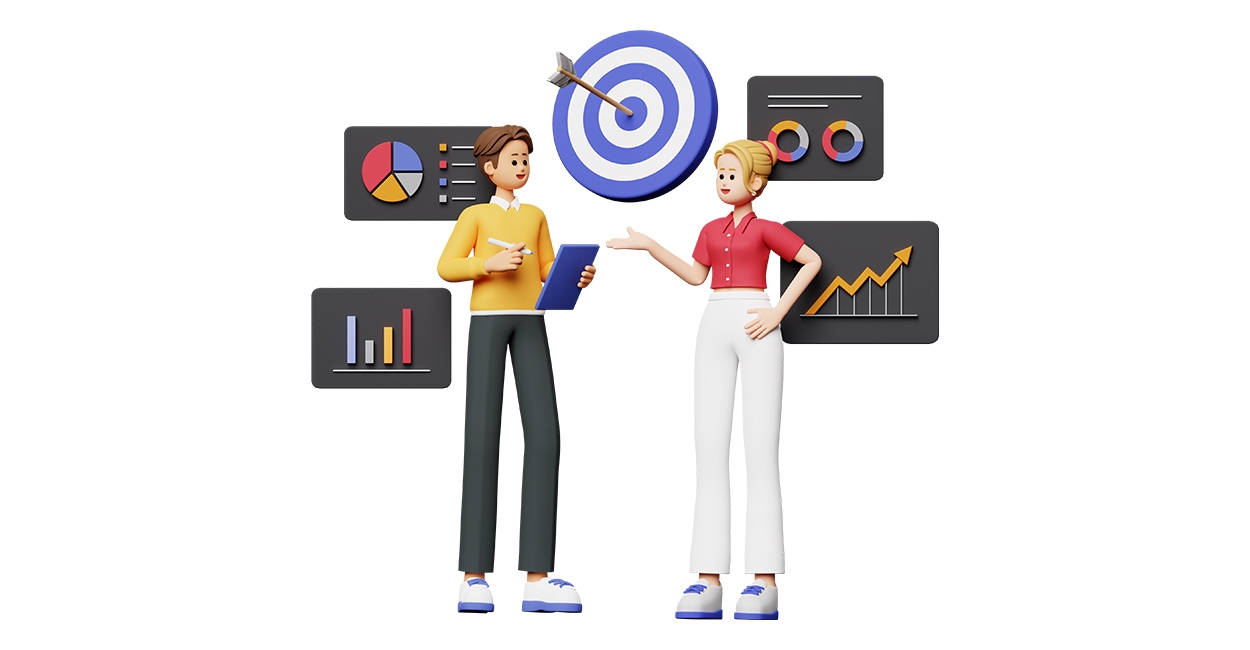
A target market is the specific group of customers a business chooses to focus on after segmenting the market. It is the audience most likely to buy your product or service.
In simple terms:
- Market segmentation = dividing the audience
- Target market = selecting the best segment
A business may have multiple segments but usually focuses on one or two primary target markets.
Target Market vs Market Segmentation: Key Differences
| Aspect | Market Segmentation | Target Market |
| Purpose | Divide the market into groups | Select the most valuable group |
| Scope | Broad analysis | Narrow focus |
| Outcome | Multiple customer segments | One main audience |
| Usage | Research and planning | Marketing execution |
| Timing | Comes first | Comes after segmentation |
Both are essential and work best when used together.
Real-World Example
Let’s say a company offers online professional courses.
Market Segmentation:
- College students
- Working professionals
- Corporate teams
- Career switchers
Target Market:
- Working professionals aged 25–40 looking for skill upgrades
Marketing messages, pricing, and platforms are then designed specifically for this group.
Why Businesses Need Both Segmentation and Targeting
Using segmentation without targeting creates confusion. Targeting without segmentation leads to poor decisions.
When used together, businesses can:
- Focus on high-conversion audiences
- Personalize marketing messages
- Improve ad performance and ROI
- Design better products and services
- Build stronger customer relationships
This combination turns marketing into a strategic system rather than guesswork.
How Market Segmentation Helps Define the Right Target Market
Market segmentation provides clarity by revealing:
- Who your customers are
- What problems they want to solve
- How they behave online
- What influences their buying decisions
Once this data is analyzed, businesses can choose a target market based on:
- Profitability
- Market size
- Competition level
- Long-term growth potential
Common Target Market Types
Businesses typically define their target market using one or more of the following:
- Demographic targeting: Age, income, education
- Geographic targeting: City, region, country
- Psychographic targeting: Lifestyle, values
- Behavioral targeting: Purchase intent, loyalty
A well-defined target market improves clarity across marketing, sales, and branding.
Mistakes Businesses Make
Some common mistakes include:
- Trying to target everyone
- Choosing a target market without data
- Ignoring customer behavior
- Not updating the target market over time
Markets change, and so should your targeting strategy.
How to Build a Strong Target Market Strategy
- Segment your overall market
- Analyze each segment’s value and potential
- Choose the most profitable and realistic segment
- Create messaging that speaks directly to that audience
- Test, track, and refine your strategy
A focused target market leads to better engagement and higher conversions.
Market Segmentation and Target Market in Digital Marketing
In digital marketing, segmentation and targeting are used for:
- Google Ads audience targeting
- Social media ad campaigns
- Email marketing personalization
- SEO content planning
- Website conversion optimization
The more precise your target market, the better your digital performance.
Conclusion
Market segmentation and target market selection are not optional, they are essential for effective marketing. Segmentation helps you understand your audience, while targeting helps you decide where to focus.
Businesses that clearly define both can market smarter, spend less, and grow faster.
Not sure who your real target customers are?
At V2Infotech, we help businesses analyze markets, identify profitable customer segments, and build data-driven digital marketing strategies that deliver measurable results.
👉 Contact V2Infotech today to define your target market and grow your business with confidence.
Frequently Asked Questions (FAQs)
1. What is the main difference between a target market and market segmentation?
Market segmentation is the process of dividing a broad audience into smaller groups based on shared characteristics. A target market is the specific group chosen from those segments that a business focuses its marketing efforts on.
2. Can a business have more than one target market?
Yes, a business can have multiple target markets, especially if it offers different products or services. However, each target market should have its own tailored marketing message and strategy.
3. Why is market segmentation done before choosing a target market?
Market segmentation helps businesses understand all potential customer groups. Once these groups are identified and analyzed, businesses can select the most profitable and relevant segment as their target market.
4. How does market segmentation improve marketing performance?
Market segmentation improves marketing performance by making campaigns more relevant. When messages are tailored to specific groups, engagement increases, conversion rates improve, and marketing budgets are used more efficiently.
5. Is market segmentation only useful for large businesses?
No, market segmentation is extremely useful for small and medium businesses. It helps them focus on niche audiences, compete effectively, and avoid wasting resources on audiences that are unlikely to convert.
6. What data is used to define a target market?
Target markets are defined using demographic data, geographic location, interests, lifestyle, buying behavior, website activity, and customer feedback. This data helps businesses understand who is most likely to buy.
7. How often should a business review its target market?
Businesses should review their target market regularly—usually every 6 to 12 months—or whenever there are major changes in customer behavior, competition, or business goals.
8. How are target markets used in digital marketing?
Target markets are used in digital marketing for audience targeting in Google Ads, social media advertising, email marketing personalization, SEO content planning, and conversion optimization.
9. What happens if a business targets the wrong market?
Targeting the wrong market can lead to low engagement, poor conversions, wasted ad spend, and weak brand positioning. Clear segmentation and targeting reduce these risks.
10. Can SEO benefit from clear market segmentation and targeting?
Yes, SEO benefits greatly from segmentation and targeting. It helps businesses create focused content, target the right keywords, improve user engagement, and attract visitors who are more likely to convert.
11. Confused about who your real customers are?
At V2Infotech, we help businesses identify the right market segments, define clear target audiences, and build digital marketing strategies that deliver measurable growth.
Contact V2Infotech today and start targeting the right audience with confidence.